

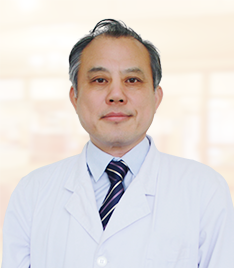
Zhu Anlin_Skull Repair (Neurosurgery) Expert, Beijing Civil Aviation General Hospital (朱安林)
Biography
Areas of Expertise
Zhu Anlin’s specialties: cerebrovascular diseases, skull base tumors, trigeminal neuralgia, severe traumatic brain injury, and neurointerventional treatment of brain and spinal cord vascular diseases. Main research directions: neuroendoscopic treatment of intracranial lesions, neurointerventional treatment of cerebrovascular diseases, and common neurosurgical disorders. He participated in the national science and technology project “Clinical Application of Neuroendoscopic Technology.”
Biography
Name: Zhu Anlin
Professional Title: Chief Physician
Position: Director of the Department of Neurosurgery and Chief Physician at Civil Aviation General Hospital
Honors: Studied under Academician Wang Zhongcheng, an academician of the Chinese Academy of Sciences and a renowned neurosurgical expert; has been engaged in neurosurgery for 28 years; participated in national-level science and technology projects and won the Second Prize of the Beijing Science and Technology Progress Award; published more than ten papers in domestic core academic journals. In 2001, won the Second Prize of the Beijing Science and Technology Progress Award for “Clinical Application of Neuroendoscopic Technology”.
Zhu Anlin's areas of expertise: has certain attainments in cerebrovascular diseases, skull base tumors, trigeminal neuralgia, severe craniocerebral injury, and neurointerventional treatment of cerebral and spinal vascular diseases. Main research directions: neuroendoscopic treatment of intracranial lesions, neurointerventional treatment of cerebrovascular diseases, and common neurosurgical disorders, etc. Participated in the national-level science and technology project “Clinical Application of Neuroendoscopic Technology.”
Zhu Anlin of Civil Aviation General Hospital's Recommendations on Skull Repair:
In current living conditions, there are many causes of cranial defects. Most patients want to have their skulls repaired, but when selecting repair materials, they do not know which material to choose. Generally, the timing of cranioplasty differs for different conditions of cranial defects and mainly falls into two situations. First, for defects caused by open comminuted skull fractures with relatively clean wounds, one-stage repair can be performed immediately; second, for closed craniocerebral injuries in which cranial defects are caused by decompressive craniectomy due to intracranial hypertension, cranioplasty should be performed early at 2-3 months postoperatively.
For cranioplasty, the choice of material is very important. For example, titanium mesh, commonly used clinically at present, is not ideal and has various problems such as rejection, lack of thermal insulation, complications, and interference with CT and MRI examinations. At present, the polyetheretherketone (PEEK) material used by our team is a very advanced cranioplasty material that can well overcome the above problems and achieve ideal repair results.
Over the long-term development of cranioplasty, repair materials have undergone several innovations and upgrades. The new repair material currently used clinically, polyetheretherketone, commonly known as PEEK material, is a very advanced and ideal material. PEEK is a special polymer material whose properties are very close to those of human autologous skull; it has strong tissue compatibility, high comfort after implantation, strong protective performance, and can be perfectly shaped through three-dimensional reconstruction, gradually becoming a new trend in cranioplasty materials.
After cranioplasty, patients should pay attention to nutrition and rest, avoid spicy and irritating foods in the short term, avoid excessive fatigue, and avoid hair dyeing and perming. They should regularly engage in moderate exercise. Generally, normal life and work can resume one to two months after surgery.
Appointment Phone: 010-85762243
Friendly Links: Skull Repair Cranioplasty Civil Aviation General Hospital Cranioplasty Civil Aviation General Hospital Skull Repair Liu Xiao Wang Ce